
Long Distance IEM. How Far Will It Go?
I have talked extensively about my In Ear Monitors (IEMs) and how they have served me well for my weddings. But where are the fringes of where it can go? When you introduce obstacles what can you expect? Let’s dive into this a bit more.
For those that need a primer on this check out my original article on IEMs. This will help to get a sense of some of it’s default capabilities. But since we are talking distance let’s get into some real interesting talk.
Some Default Testing At Home
Now first up is the default 1/4 wave antenna. You’d think this would just be bad, but in reality it is damn good out of the box. When I did my original article I tested it, from inside of my house to the top of my hill which had not only my house as an obstacle but others and, yep, a hill. Typical distance without worrying about anything? 300 feet.
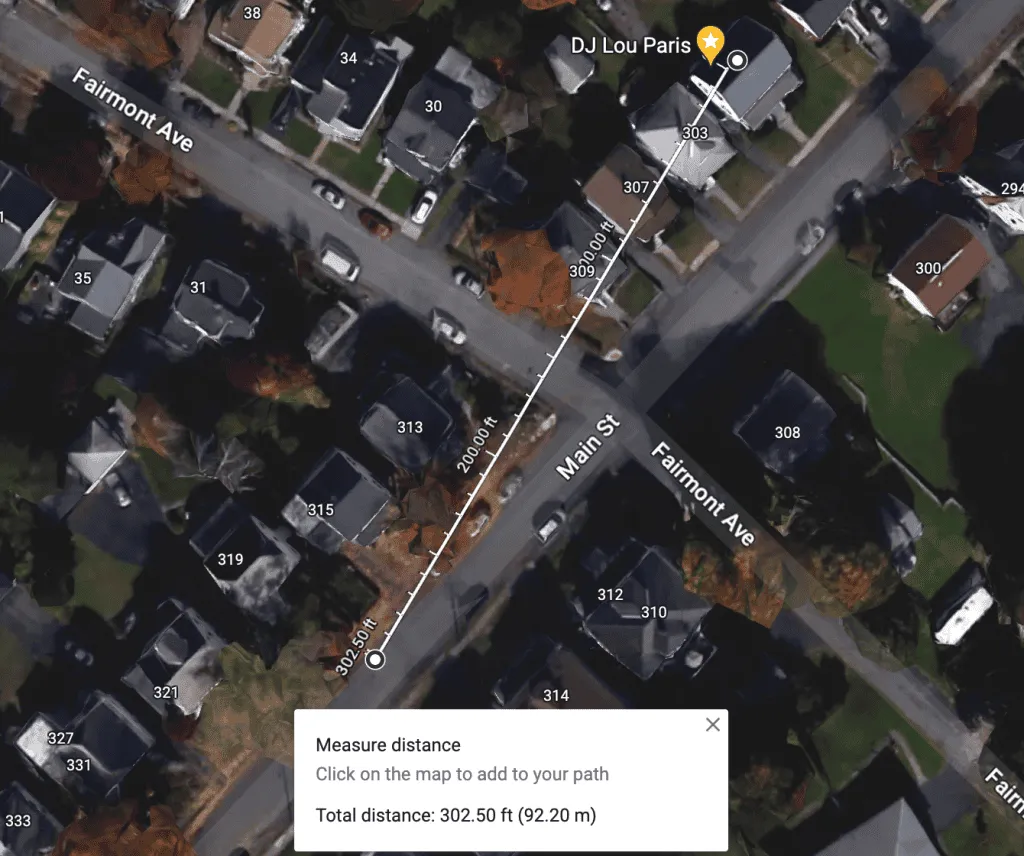
And I was surprisingly still getting a fringe signal with just a 1/4 antenna at an incredible 513 feet!
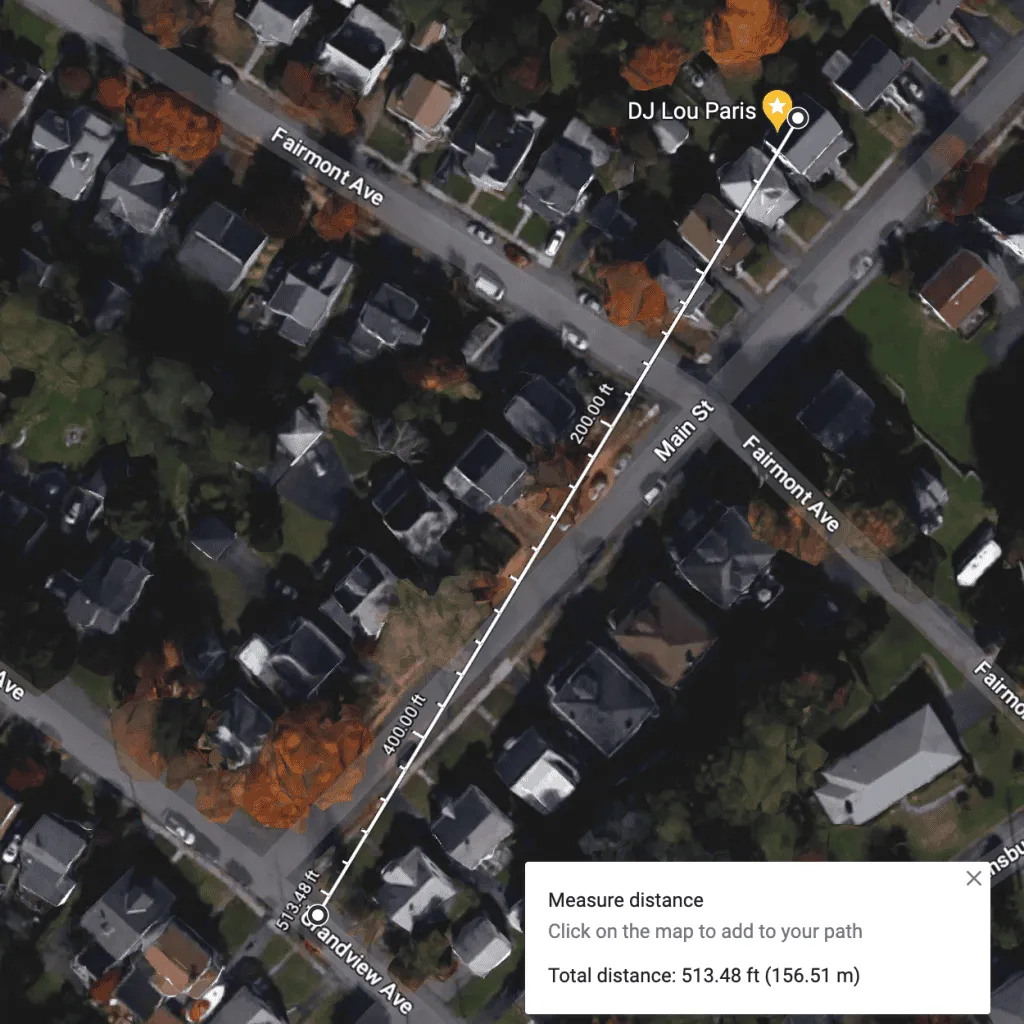
Now note this is fringe, I had to hold my receiver up at chest-height. Here is the video to prove it (time stamp 3:11). Now do I recommend this setup for that kind of distance? Definitely not. But you can arm yourself to maximize the potential.
A Quality Antenna
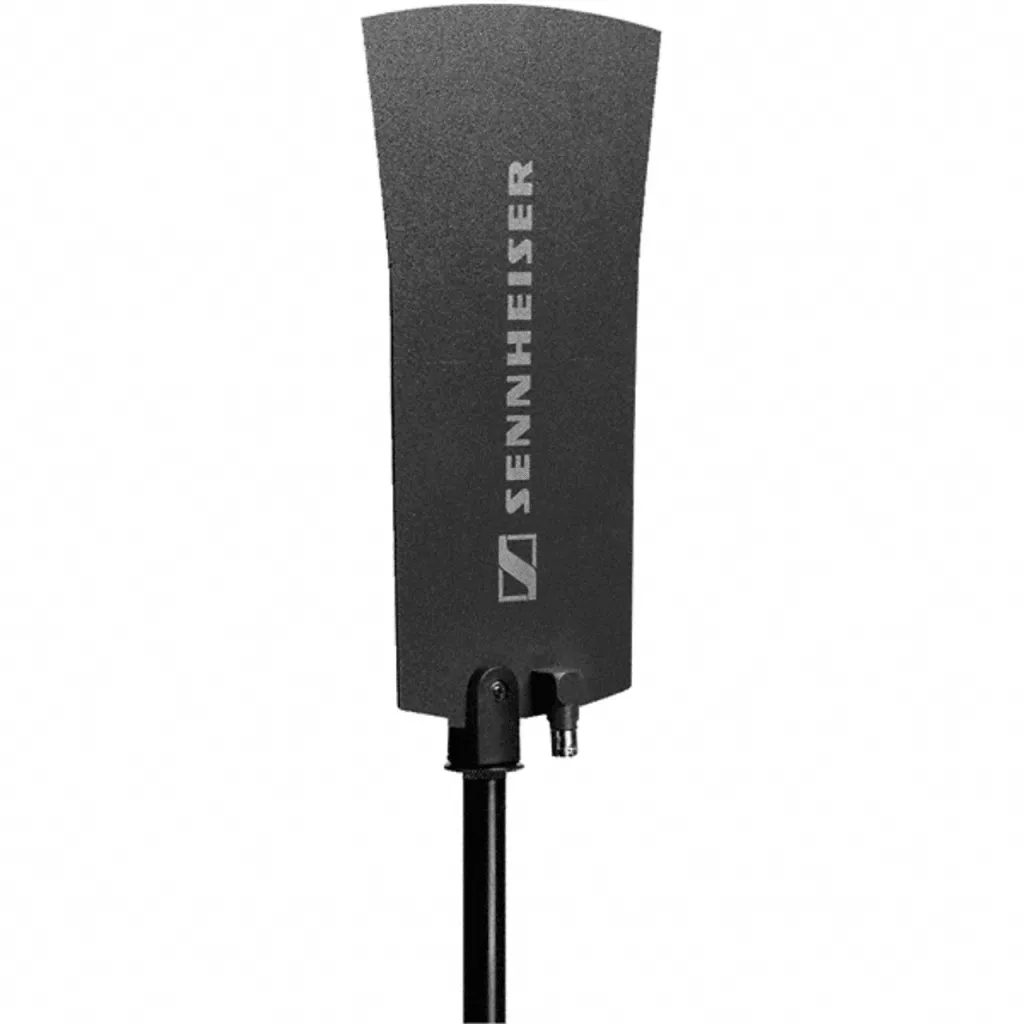
Now the best antenna I can suggest is the Sennheiser A1031-U. This is a passive omnidirectional antenna that can be mounted on a microphone stand that covers the 450 MHz – 960 MHz spectrum and yes, you can use this brand on any other brand transmitter that can accept a 50-ohm BNC connection.
[
](https://www.nlfxpro.com/a-1031-u-antenna/)
The further up you can get this, the better chance you will have for success. Oh best to get some quality BNC cable while you are at it!
From there the same principle remains, if you can get an antenna higher you will have greater success. And I need to take my own advice and get some long 3.5mm > XLR cables for my receivers but I still need to do that. Meanwhile I currently place my receivers on the base of my subwoofer of my Maui 5 Gos.
The Most Challenging Conditions
So let’s set the stage of one of my more challenging venues. This is in the middle of the Catskills, really in the middle of nowhere, where cell phone reception is very limited. So the technical challenge is not frequencies (for the most part) but environment. I am shooting through the trees, an old building, a hill. This is about as frequency-penetrating challenged it can get. To boot, my receivers are down low.
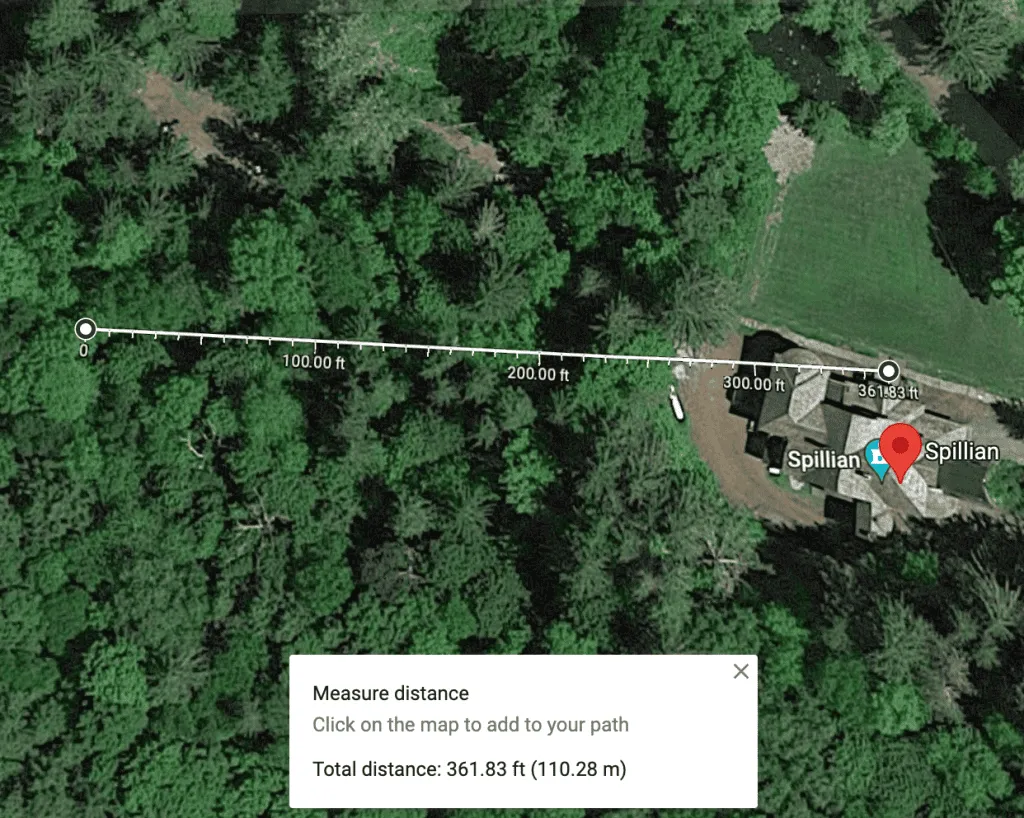
Now this is a bit rougher estimate since you can’t quite see where the setup area is, but it’s roughly 350-375 feet from the transmitter to the two receivers. I seldom get a drop out (usually it would be a big crowd of people in the path) and I would probably get zero dropouts if I elevated the receivers higher.
Most Fruitful Conditions
That is all in less than ideal conditions, but what about the very best conditions? Well for this I will literally need to go to the mall. The largest and most free of obstacles location in my area is this front of our sparsely populated mall. And while not perfectly flat it’s not far off. So how far can things go? How about over 1150 feet with the transmitter antenna hoisted about 115 inches from the ground, receiver about 5 feet off the ground! Again this is super fringe.
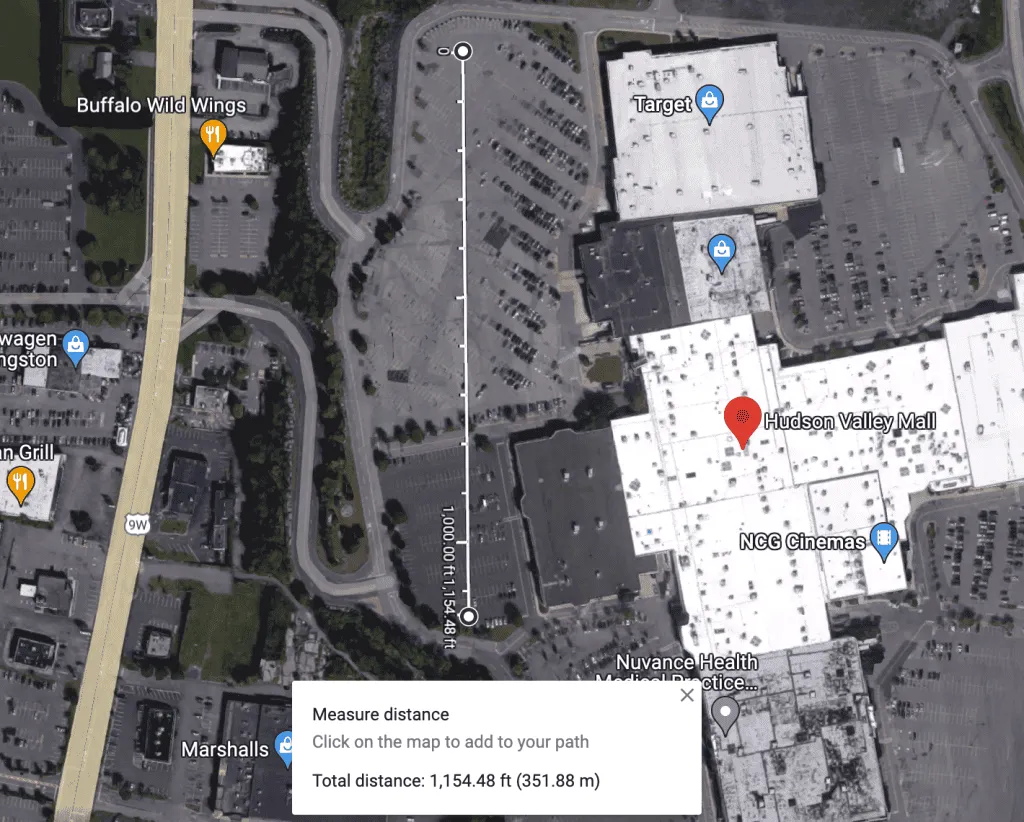
IEM Models to consider
There are three manufacturers that I think are worth the biggest consideration for DJ use. I did totally forget about the Audio Technical model so shout-out to DJ Jeremy B for reminding me.
- Sennheiser ew IEM G4 (single receiver) (twin receivers)
- Shure PSM 900
- Audio Technica Wireless Speaker System (single receiver) (twin receivers)
IEMs For The Big Win
While it’s not a magic bullet, the IEM can be thrown into a lot of situations with great results. There are some other options out there but none quite hold a candle to a true IEM setup with a proper antenna and elevation of the antenna to work with.